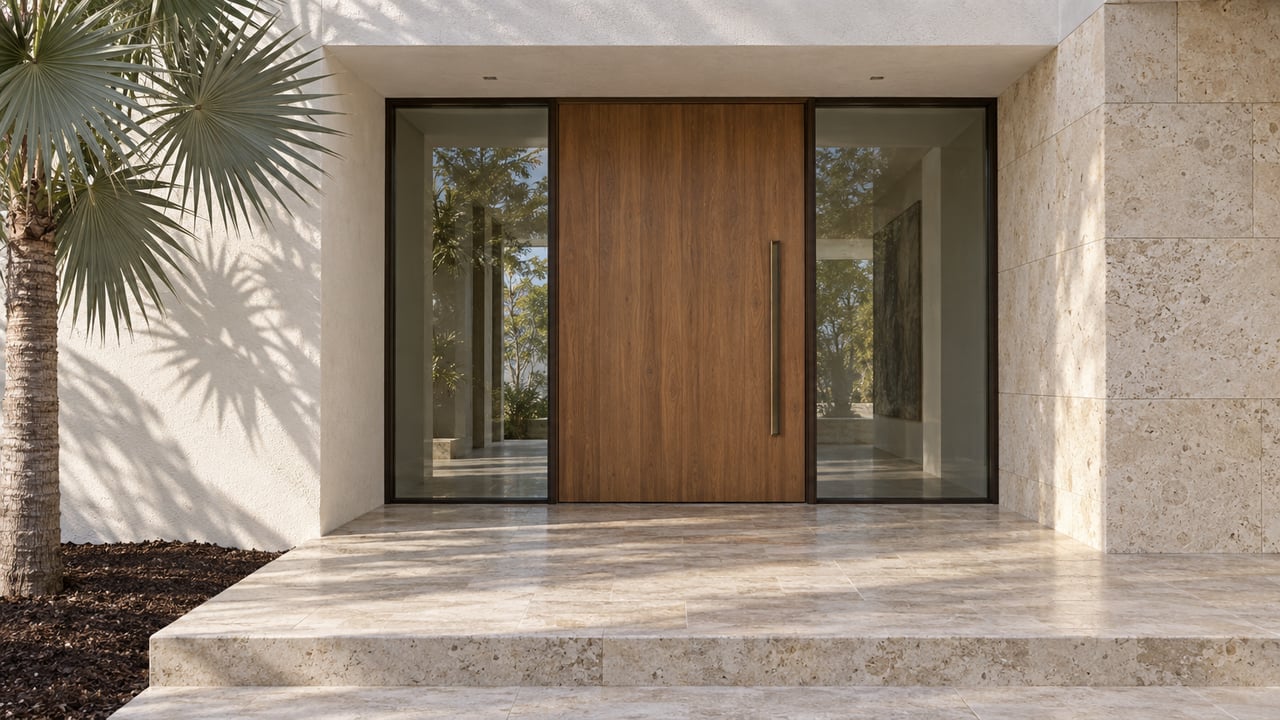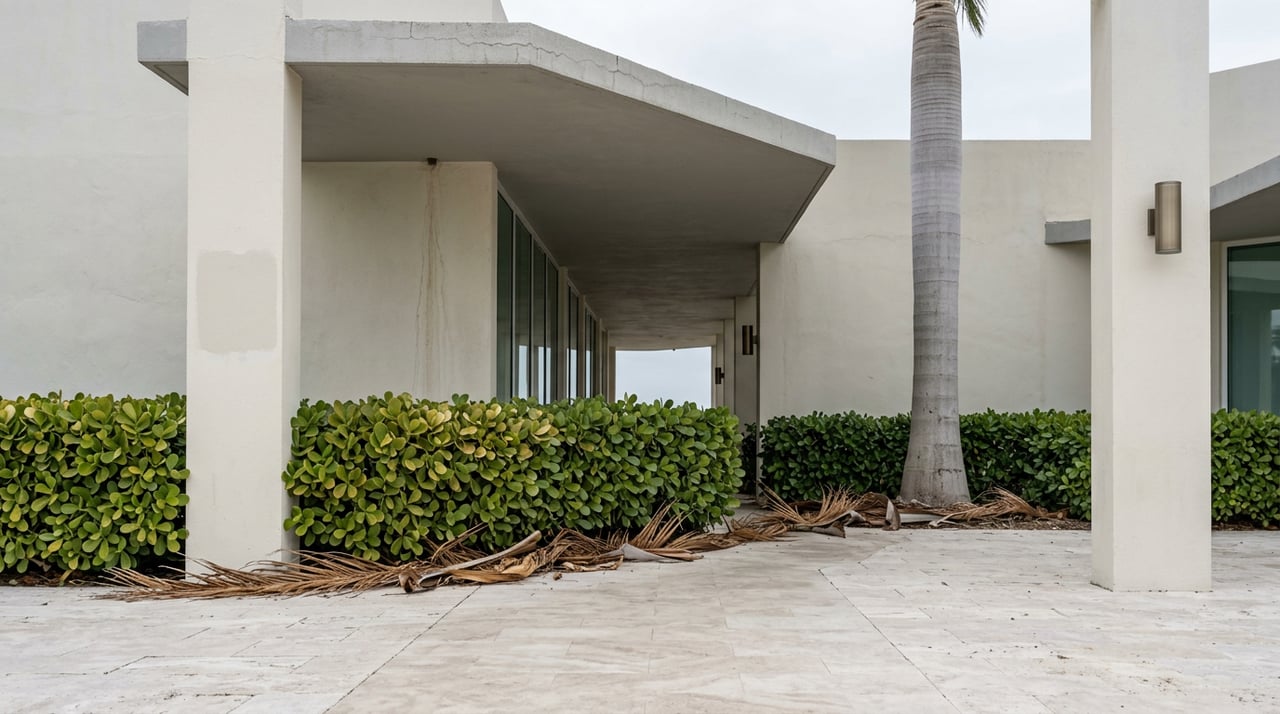
Picture two one-bedroom units in Wynmoor Village, both listed at $135,000. Same square footage, same golf course glimpse from the lanai, same walk to the clubhouse. A buyer touring both would reasonably assume the deal comes down to carpet versus tile, or which kitchen got redone more recently.
It doesn't. The number that actually separates those two units isn't visible from the balcony. It's buried in a document called a Structural Integrity Reserve Study, and whether the building behind each listing has one, and is funding it the way Florida law now requires, can turn an identical price tag into two very different financial commitments.
This matters more in Wynmoor than almost anywhere else in Coconut Creek, because Wynmoor isn't one building or one homeowners association. It's a sprawling 55-and-over community built out as dozens of separate low-rise buildings across named villages like Martinique Village, each one now running its own version of the same compliance clock.
The Rule That Changed Underneath Every Listing
Criterium Cromer traces Florida's Structural Integrity Reserve Study requirement back to the 2021 Champlain Towers South collapse in Surfside. According to MIAMI REALTORS, the law that followed requires condominium buildings three habitable stories or higher to complete an engineer-prepared SIRS covering eight structural components: the roof, load-bearing systems, fireproofing and fire protection, plumbing, electrical, waterproofing, exterior painting, and windows and doors.
According to Freedom Community Management, for any budget adopted on or after December 31, 2024, unit-owner-controlled associations can no longer waive or reduce reserve funding for SIRS-mandated components.
The deadline for completing the initial study was also extended once already, from December 31, 2024 to December 31, 2025, and the Florida Department of Business and Professional Regulation allows buildings whose milestone inspection falls due by the end of 2026 to combine that inspection with their SIRS. That flexibility helped boards catch up on timing. It did nothing to soften the funding requirement once the study exists.
Wynmoor Isn't One Clock. It's Dozens.
The detail that gets lost in generic SIRS explainers is that the law applies building by building, not community by community. A single homeowners association covering a mixed-height property can have one building fully compliant and funded while a neighboring one, governed by the same board and the same amenities package, is still working through its first study.
Wynmoor's layout makes this more than a theoretical wrinkle. The community is organized into distinct villages. A three-story building in one village and a two-story building in the next can sit fifty feet apart and answer to completely different legal standards, because the SIRS requirement only attaches at three habitable stories or higher. According to FPAT, buildings under that line are exempt from SIRS itself, though they still fall under Florida's ordinary Chapter 718 reserve rules for big-ticket items, which for 2026 kick in once a component's replacement cost or deferred maintenance expense crosses $25,675.
That means the more useful question when comparing two Wynmoor units isn't which building has the better view. It's how many stories the building has, whether that specific association has filed its SIRS, and what percentage of the required reserve is actually sitting in the bank versus still on paper as a plan.
Here's a simple way to see how that plays out in dollars. Say a one-bedroom lists at $130,000. If that building's reserve study shows the roof component is $28,000 short of fully funded with eight years of useful life left, the unit isn't really $130,000. It's $130,000 plus a claim on $28,000 that the association will need to collect from somewhere, whether through a special assessment, a loan the association takes out and repays through dues, or a combination of both. The list price and the real cost only match when the reserve is actually funded to the level the study says it should be.
What the Insurance Company Already Knows
The financial exposure doesn't stop at the reserve account. According to Atesa Risk Advisors, Citizens Property Insurance Corporation, Florida's insurer of last resort for many older condo buildings, is barred from issuing or renewing policies for associations that haven't met both the milestone inspection requirement under Florida Statute 553.899 and the SIRS requirement under 718.112(2)(g). Private carriers have largely adopted the same standard, and many now ask for a SIRS summary page or a compliance affidavit before they'll even quote a policy.
That has a direct effect on financing. Lenders underwriting a condo loan increasingly want to see that the building's insurance is stable and that reserves are funded, because an association that can't get coverage or is facing an imminent special assessment is a weaker asset to lend against. A buyer who skips this step and finds out about a lapsed SIRS during underwriting isn't just facing a documentation delay. They're facing a building whose entire financing picture, not just its physical repairs, is now in question.
The Paper Trail Before You Write an Offer
Florida's condominium disclosure rules already give buyers a path to this information, and the standard Florida Realtors Condominium Rider spells out exactly how a seller has to represent SIRS status: whether the study has been completed, whether it's required but hasn't been done, or whether the building is exempt. Incomplete or late disclosure on that point can trigger a buyer's right to void the contract, which is precisely the kind of protection worth using rather than waiving.
Before making an offer on a specific Wynmoor unit, the documents worth requesting directly from the association or its management company are:
- The current SIRS report, including the funding percentage for each of the eight structural components
- The association's most recent adopted budget, to confirm it reflects full SIRS funding rather than a transitional or partial plan
- Special assessment history for the past five years, so a one-time levy doesn't get mistaken for routine dues
- Milestone inspection status and the building's certificate of occupancy date
- Confirmation of current property insurance carrier and premium, since a recent forced switch to a surplus-lines carrier is often the first visible sign of a compliance gap
Associations in buildings of 150 units or more are now required to post SIRS data electronically on a password-protected site for owners to access, so in many cases this is a request, not an investigation. Reviewing these documents before making an offer can help buyers identify a shortfall before the closing table.
What This Means If You're the One Selling
For sellers, the same information cuts the other way. A unit in a building with a completed SIRS, a funding plan the association is actually meeting, and a clean insurance renewal is a materially easier sell in this market than an identical unit in a building still catching up. That's worth documenting and presenting proactively rather than waiting for a buyer's agent to ask, because it shortens the conversation and removes the biggest source of last-minute renegotiation.
If your building's reserve position is less clean, pricing with that reality in mind, rather than pricing off a neighbor's recent sale in a better-funded building, is what keeps a listing from sitting while buyers quietly walk after their own document review.
Frequently Asked Questions
Does the SIRS requirement apply to Wynmoor's clubhouse and amenity buildings, not just residential ones? The three-habitable-story threshold applies to any qualifying condominium or cooperative building, so a residential building and a clubhouse are evaluated on their own height and ownership structure. According to Ledgerly, a homeowners association governed under Chapter 720, rather than the condominium form of ownership under Chapter 718, falls outside the SIRS and milestone inspection requirements entirely.
Do cooperatives face similar milestone inspection requirements? Cooperatives under Chapter 719 face parallel milestone inspection requirements, so the practical due diligence is similar either way.
If I'm paying cash, do I still need to worry about SIRS status? Yes. The financing pressure disappears without a lender in the picture, but the underlying financial exposure doesn't. An underfunded reserve is still a claim against future dues or a future special assessment regardless of how the purchase is financed, and a lapsed insurance policy still puts the building, and your investment in it, at risk.
Wynmoor's price point is part of what makes it one of the more accessible ways into a Broward County amenity community. Understanding the building's financial obligations helps put the listing price in context. Our team at The Schirripa Group reviews reserve studies, budgets, and association financials as a standard part of representing buyers and sellers in Coconut Creek. If you're weighing a move into Wynmoor or evaluating what your current unit is worth under the new reserve rules, reach out and we'll walk the documents with you before you sign anything.
This article is general information, not legal, tax or financial advice. Consult a qualified professional about your situation.